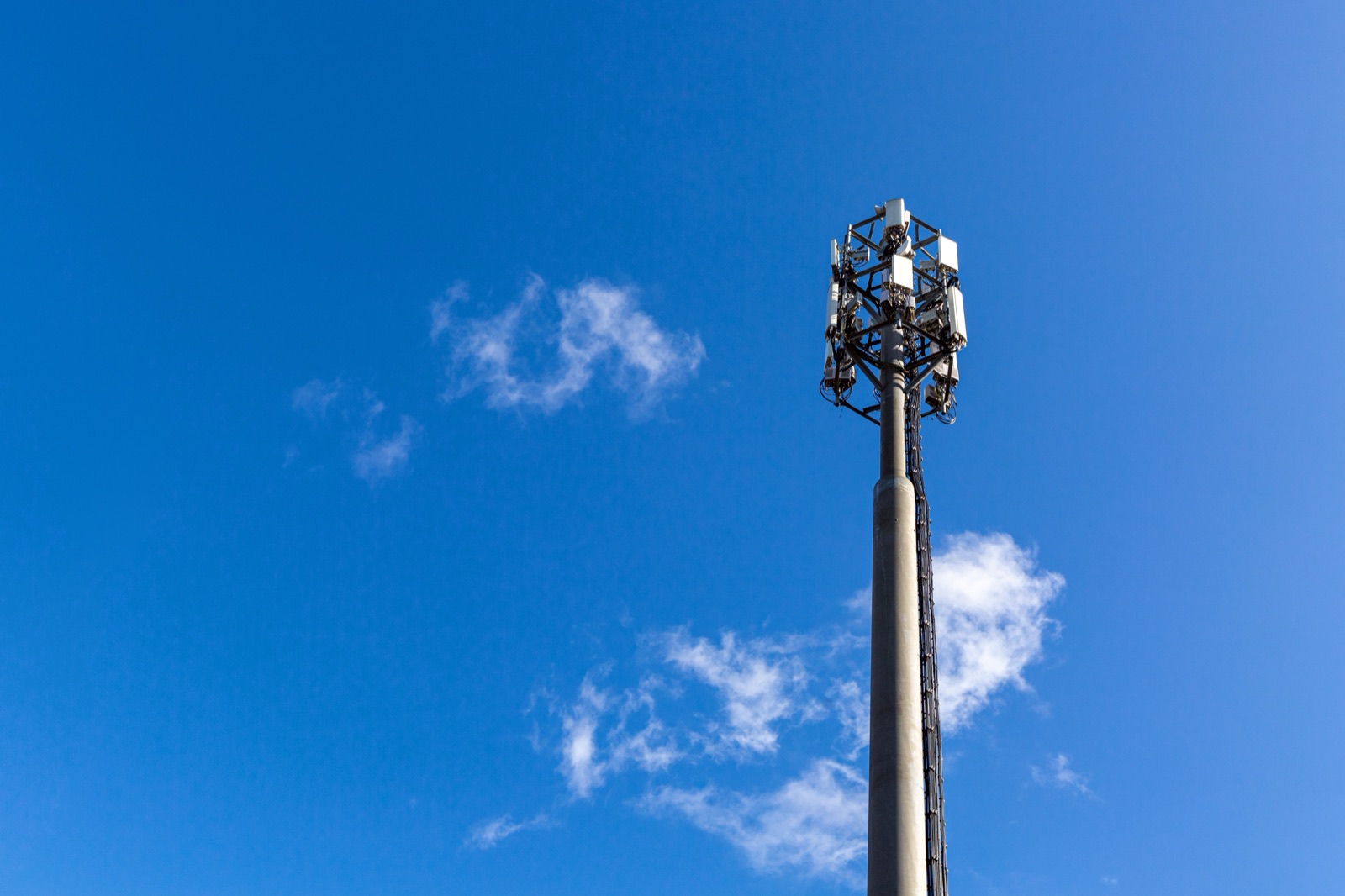
Decision Intelligence for TowerCos.
Understand what is happening. Know what to do next.
A generator that never reported is not a failed one. It is unproven, and that is a different decision.
MLNetworks keeps every reading, marks the one a person observed, and carries that provenance into what you do next.
Site evidence in · decisions out
Understand what is happening. Know what to do next.
Everything a site is observed by feeds one decision. Grey lines are raw observation. The blue trace appears only when MLNetworks establishes the relationship that matters. Any lit family can open the incident: click one to start there.
reported
From alarm noise to one operational incident.
A single site condition can raise many alarms across several systems. Reading them one at a time is how the real one gets missed.
- IngestAlarm feeds arrive from the systems already watching the estate.
- NormalizeDifferent vocabularies become one taxonomy, so the same condition reads the same way everywhere.
- CorrelateDuplicates collapse and related events join, while the observations stay traceable to their source.
- PrioritizeService impact and site context decide what deserves attention now.
- ActA response is recommended, and a person decides whether it happens.
- VerifyClosure needs evidence: the systems agree, and what a person observed agrees with them.
Your noisiest site is the demo.
Bring one noisy site, and leave with it read as one incident.
The site kept running. The record did not agree.
Where a TowerCo runs sites the grid cannot be trusted to hold, energy is the largest operating cost and the first cause of downtime. MLNetworks relates grid, generator, solar, storage and load against what a person saw at the site, so every outage and every liter of diesel is explained.
- Condition
- The grid drops, the transfer switch moves the site to stored energy, and the diesel generator is expected to carry it.
- Observed
- Storage depletes faster than this site normally depletes, and the generator does not report the run it should have.
- Recommended
- Recommended: treat the generator as unproven and verify it on site before the next outage, not after it.
- ConnectSupply, storage and load telemetry are brought together.
- NormalizeReadings become comparable across sites and vendors.
- ModelThe site is represented as a topology, not a list of meters.
- AnalyzeBehaviour is compared against how this site normally behaves.
- RecommendA next action is proposed, with the reasoning attached.
- EvidenceWhat was found in the field is reconciled with what was reported.
The grid drops, the transfer switch moves the site to stored energy, and the diesel generator is expected to carry it.
The next outage is the test.
Bring one site whose energy story does not add up.
What an operator actually looks at.
The same argument, in the interface. Estate first, then the site, then the evidence behind the decision.
One value chain. Evidence at every link.
A TowerCo earns and spends on the same chain: build the site, colocate tenants, power the site, bill the energy through, commit uptime, and prove what happened. MLNetworks holds the evidence at every link, in the language the contracts already speak.
Does the record match the steel?
A site is accepted once, then drifts for years. MLNetworks keeps the asset record, the as-built and the field evidence reconciled, so acceptance, audits and lease renewals stand on proof rather than memory.
ClosesGhost assets, and acceptance disputes that outlive the build.
Is every tenant drawing what it declared?
Tenancy is the margin engine, and every tenant signs a power commitment. MLNetworks compares each declared load against what the site actually measures, and shows the headroom the next tenant needs.
ClosesUndeclared equipment, and lease-up blocked by unknown headroom.
Where did the diesel go?
Energy is the largest line in the operating cost of the estate. MLNetworks reconciles fuel delivered against fuel consumed, and generator runtime against grid availability, so the energy story has no unexplained chapter.
ClosesFuel loss, and generator hours the grid should have carried.
Does metered match invoiced?
Energy billed through to tenants is only as strong as the meter behind it. MLNetworks keeps per-tenant consumption evidence aligned with what the invoice claims, before the tenant checks it first.
ClosesEnergy under-billing, and invoice disputes without a record.
Was the site up, by the definition in the contract?
The MLA defines what up means, down to the voltage on the DC bus and the windows that do not count. MLNetworks measures uptime the way the contract does, per tenant, with the cause attached to every outage minute.
ClosesBreaches discovered by the tenant first.
Whose record wins the dispute?
When a tenant claims downtime, the operator with the evidence wins. MLNetworks assembles the alarm record, the voltage trace, the field proof and the approval into one package a dispute can be settled on.
ClosesService credits paid without cause.
Start where it leaks.
Pick the link in the chain that costs the most, and bring one real case.
Intelligence without replacing the operating stack.
MLNetworks connects the operational sources required for the decision and returns intelligence, evidence and approved outputs into the systems already used to execute and govern the work.
Operational sources


 OSS / NMS



 RMS / telemetry
 Site / asset
- Field / WFM

 GIS
GIS Tenant / service
- Contracts / documents
MLNetworks
- Operational intelligence
- Document and contract intelligence
- Decision support
- Evidence
Delivered surfacesOperations console · Customer portal · Landlord portal
Execution and enterprise
 ITSM
ITSM
 WFM / field
 ERP
ERP

 Data platforms
- Customer workflows
MLNetworks computes operational outputs and evidence. ERP remains the accounting authority.
Keep the stack. Add the evidence.
Bring the systems you already run, and one decision they cannot settle alone.
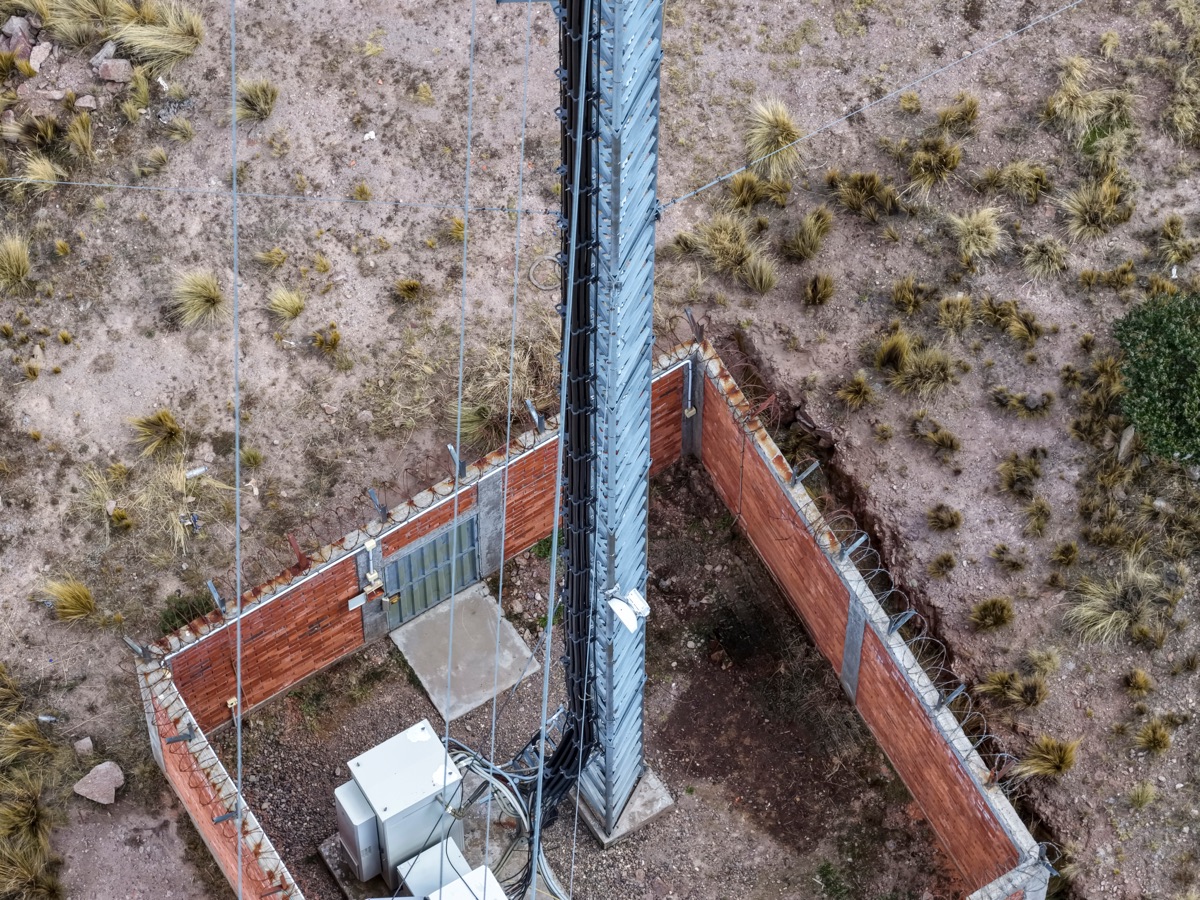
From one site decision to the estate.
- Site
- Nearby
- Cluster
- Region
- Estate
- Which sites need attention now?
- Where is evidence incomplete?
- Which actions are still awaiting verification?
- Where do site records and observed reality disagree?
Decision intelligence grounded in operational evidence.
Traceable operational truth
Preserve where an observation came from, how it affected the decision, and what evidence supports the outcome.
Physical + digital evidence
Telemetry is not the whole site. Field evidence is not the whole site. A decision gets both, reconciled, with any disagreement kept visible.
Human-governed intelligence
The platform analyzes, recommends and predicts. An accountable operator approves before anything reaches a site.
Bring us one difficult site decision.
Show us an incident, operating question or evidence gap that is difficult to resolve across your current systems.
We will start with the decision, the minimum evidence required, and the systems that need to contribute.